
In this article
Your first 20-minute ride may feel almost too easy. That is often when the plan grows too quickly: a third session appears, the next ride becomes longer, and 150 minutes starts to look like a deadline. A better first step is simpler. Begin with two sessions a week. If you are currently inactive, make them 10 to 15 comfortable minutes. If brisk walking or strength training is already part of your week, try 20 to 30 minutes.
Keep that schedule unchanged for about two weeks. You are not trying to prove how much cardio you can tolerate in one burst. You are checking whether the same dose still fits when work runs late, your legs are tired from lifting, or sleep is less than ideal. This is a practical starting example for generally healthy adults, not an official Zone 2 prescription.
Start from the week you have now
The Physical Activity Guidelines for Americans supports a much smaller start than most fitness plans suggest. It describes 5 to 15 minutes of light-to-moderate activity, two or three times a week, as one possible starting point for inactive adults and recommends building gradually. A short session still counts.
- Returning after a long break: schedule 10 to 15 minutes on two non-consecutive days.
- Already walking briskly or lifting regularly: schedule 20 to 30 minutes twice a week.
- Already doing steady cardio comfortably: keep your current volume until you can explain what another session would improve.
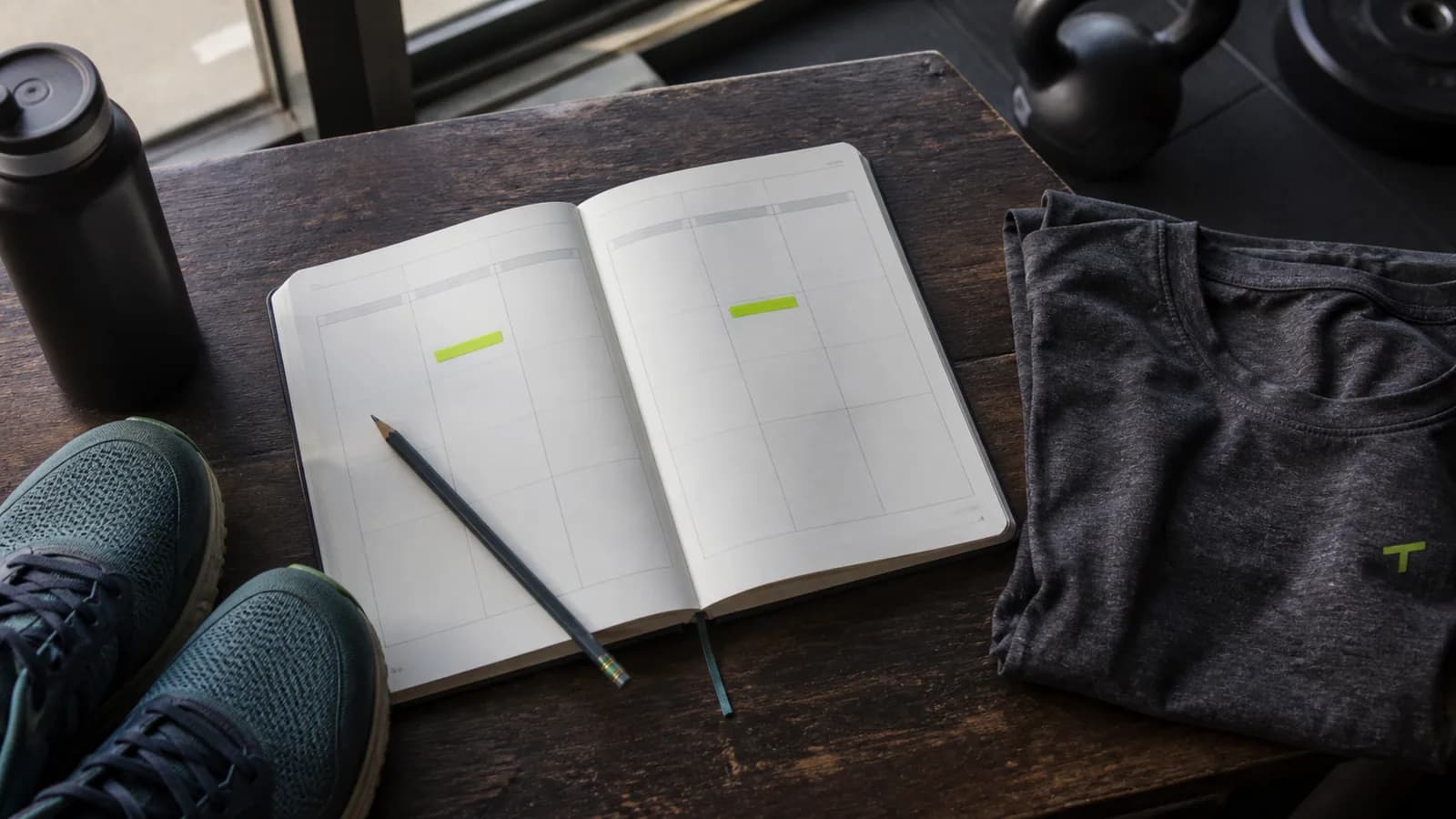
For example, Tuesday and Saturday often leave room around strength sessions and give you two separate chances to observe recovery. The exact days matter less than leaving some space between them. If you miss Tuesday, continue with Saturday rather than cramming both sessions into the weekend to protect a number on your watch.
Check that easy still feels easy
Zone labels look precise on a screen, but specialists do not use one universal definition. A 2025 expert viewpoint placed Zone 2 just below the first lactate or ventilatory threshold, which can be identified with laboratory testing. The same paper also described the disagreement around zone models. Your watch, a gym bike and a lab test can therefore give you different boundaries.
Outside a lab, use your breathing and speech as practical checks. US guidance describes moderate effort as an intensity where you can talk but not sing. Research on the talk test suggests that comfortable speech can help regulate aerobic effort, although it cannot locate a physiological threshold perfectly for every person. If a full sentence becomes a struggle, slow down instead of chasing the heart-rate target on the screen.

Treat 150 minutes as a destination, not an opening assignment
The World Health Organization recommends 150 to 300 minutes of moderate aerobic activity per week, or 75 to 150 minutes of vigorous activity, for substantial health benefits in adults. This is a population-level target for total aerobic activity. It is not a rule that all 150 minutes must come from a narrow Zone 2 band, and it is not an instruction to jump from no training to two and a half hours in week one.
Zone 2 also does not need to be treated as a uniquely superior form of exercise. A 2025 narrative review concluded that current evidence does not support calling it the optimal intensity for improving mitochondrial capacity or cardiorespiratory fitness in the general population. Easy, steady work can still earn a place in your week because many people can recover from it and repeat it. That practical advantage is enough; it does not require a special biological promise.
Run the same week twice before changing it
After two similar weeks, look at the evidence you actually have. Did both sessions stay conversational? Did your next strength workout feel normal? Was sleep roughly unchanged? Did ordinary tasks such as climbing stairs feel no harder than usual? If the answer is mostly yes and you want more aerobic work, add a few minutes to each session or add one short third session. Choose one change, not both.

- Keep the dose unchanged if easy sessions repeatedly become hard.
- Reduce it if leg fatigue changes your lifting technique or normal walking pace.
- Add a small amount after two controlled weeks that fit your schedule.
- During a stressful or sleep-deprived week, maintaining the dose is still a valid decision.
Fit cardio around strength training
When strength is the priority, put steady cardio where it creates the least conflict. A short easy ride after an upper-body session may fit without much disruption. A longer run before heavy lower-body training may not. Cycling, incline walking and jogging can also create different amounts of local leg fatigue even when your breathing feels similar. The zone label does not remove the mechanical work your muscles still absorb.

If the week becomes crowded, shorten a session before sacrificing every rest day. Two sessions that remain in your calendar for a month teach you more than four sessions that vanish after ten days. If you later add intervals, consider their recovery cost separately rather than treating hard and easy minutes as interchangeable.
When a generic starting plan is not enough
A general article cannot set exercise intensity around chest pain, fainting, unexplained shortness of breath, pregnancy, medication effects or a diagnosed health condition. If one of these applies, speak with an appropriate health professional who can consider your history and current symptoms. Stop exercising and seek suitable medical help if concerning symptoms appear during a session.
Your decision for this week
Put two controlled sessions on the calendar. Use 10 to 15 minutes if you are returning from inactivity, or 20 to 30 minutes if regular exercise is already familiar. Repeat the same week once before adding anything. At the end of those two weeks, change one variable only if the sessions stayed easy and did not disrupt your other training or recovery.
Sources
- WHO guidelines on physical activity and sedentary behaviour — World Health Organization
- Physical Activity Guidelines for Americans, 2nd edition — US Department of Health and Human Services
- What Is Zone 2 Training? Experts' Viewpoint on Definition, Training Methods, and Expected Adaptations — International Journal of Sports Physiology and Performance / PubMed
- Much Ado About Zone 2: A Narrative Review — Sports Medicine / PubMed
- Evidence that the talk test can be used to regulate exercise intensity — Journal of Strength and Conditioning Research / PubMed
Next step
What can you do next?
Compare your options
Compare trainer profiles, program scope and working terms side by side.
Explore trainersDiscuss it with the community
Share what is still unclear or explore current discussions.
Visit the communityPost your coaching needs
Describe your goal once and compare written terms from verified trainers.
Create a coaching request